The Digital Tools We Use
Each tool in our office has a specific job, and together they give us a complete picture of your oral health. Many of them also make your visit more comfortable and more efficient. Here is a closer look at the technology behind your care.
Cone Beam 3D Imaging
A cone beam scanner provides better quality and more detailed images than traditional X-rays. It is also less invasive and uses less radiation than traditional X-ray machines. We use it to see bone, roots, nerves, and sinuses in three dimensions, which is especially helpful for planning dental implants, wisdom teeth removal, and complex treatment. Learn more about our 3D imaging system.
3D Digital Impressions
A digital scanner replaces messy impression material with a quick, comfortable scan of your teeth. It is more comfortable for patients, and it allows us to be more efficient and accurate, which can mean fewer visits to our office. Learn more about our 3D digital impressions.
Digital X-Rays
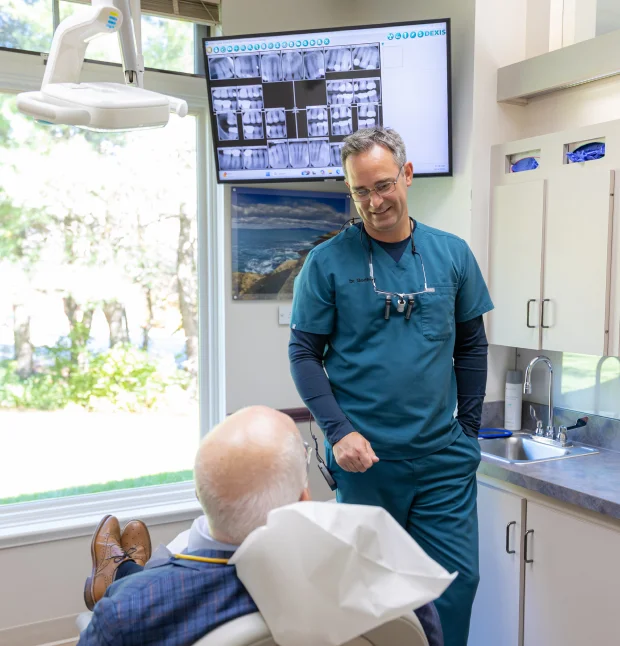
Digital X-rays use less radiation than film X-rays. They are instant, so there is no waiting for film to develop, and we can view them on a computer screen to explain what we see. They are also a green technology, since they eliminate film, developer, and chemical waste.
Digital Intraoral Cameras
An intraoral camera combines the latest video technology with dental care. You and our team can see detailed images of your teeth and mouth in real time, so you better understand what is happening and the status of your oral health.
Piezotome CUBE
This ultrasonic bone surgery device allows bone work to be done faster, with less overall trauma to the surrounding tissues and increased patient safety. It is especially effective for atraumatic extractions and can reduce pain and post operative swelling.
Electronic Apex Locator
Used during root canal therapy, this device helps determine the proper length of the root canal. This can help ensure that the canal is completely free of debris, which reduces potential future complications.
Oral Cancer Screening Technology
A specialized light is shined into the mouth to detect changes in oral tissue. Healthy tissue looks lighter under the light, while spots of unhealthy tissue appear dark. With early detection, oral cancer may be found before it has time to spread.
Electronic Medical Records
Electronic records let our team quickly and accurately access your information, support your privacy, and reduce paper. They also give us quick access to what we need for insurance records, in a secure filing system.
Benefits of Digital Dentistry
Better tools lead to a better experience. Patients often notice that visits feel more comfortable, more efficient, and easier to understand. Digital dentistry offers several benefits.
- Better diagnostics. Digital imaging and X-rays help us find dental and oral health concerns earlier, and early detection is key to effective treatment.
- Effective treatment planning. We create an individualized plan based on 3D images that we can view and manipulate.
- Greater accuracy. Computer assisted planning helps us design crowns, bridges, and implant restorations with precision.
- Better understanding. A 3D visual of your treatment from start to finish helps you follow each step.
- More comfortable procedures. Digital scans replace messy impression materials.
- Fewer visits for some treatments. Digital workflows can streamline the process.
- Lower radiation. Digital X-rays use less radiation than film.
- Organized records. Electronic records help our team keep your information accurate and up to date.
How Digital Dentistry Improves the Care You Receive
Digital tools show up in nearly every kind of treatment we provide. Seeing how they are used can help you understand what to expect at your visit. Here are some of the ways technology supports your care.
- Exams and cleanings. Digital X-rays and intraoral cameras help us find problems early and show you what we see during your cleaning and exam.
- Crowns, bridges, and veneers. Digital impressions help us design restorations that fit well, which supports dental crowns and veneers.
- Root canal therapy. An electronic apex locator supports accurate treatment during root canal therapy.
- Extractions and oral surgery. 3D imaging and ultrasonic bone surgery support gentler tooth extractions.
- Gum care. Digital images of the bone help us evaluate and treat gum disease through our periodontal treatment.
A Brighter Smile in One Visit, Step by Step
A digital visit is comfortable and easy to follow. Each step uses technology to give you clearer answers. Here is what you can expect.

01
Welcome and History
We talk about your health, your goals, and any concerns.
02
Digital Images
We take digital X-rays, and 3D images when they are helpful, to see your teeth and the structures beneath them.
03
A Close Look with Intraoral Cameras
We take close up images of your teeth so you can see what we see on screen.
04
Screening and Exam
We examine your teeth, gums, and bite, and complete an oral cancer screening.
05
Digital Scan, If Needed
If you need a restoration, we capture a comfortable 3D scan instead of using impression trays.
06
Your Personalized Plan
We review your images with you, explain your options in plain language, and build a treatment plan. The decision to move forward is always yours.
Comfort and Convenience Throughout Your Visit
Technology also helps us make your visit more relaxing. We want you to feel at ease from the moment you walk in. Small touches make a difference in how your appointment feels.
- Digital flat screen monitors beside every patient chair, where you can watch a movie or TV show during treatment
- The same monitors let you view your own radiographs when we talk about your results
- Free Wi-Fi for patients to use while visiting our office
- A smooth check in process supported by electronic records
Why Choose Godfrey Dentistry for Digital Dentistry
Technology is only as good as the team using it. We invest in modern tools and in the training needed to use them well. That commitment helps us give you accurate answers, careful treatment, and clear communication. Our practice is built around prevention, education, and high quality care, and digital dentistry supports each of those goals. We want you to understand your oral health and feel confident in the decisions you make.
Experience Dentistry That Lets You See the Difference
When you can see your own images and understand your plan, dental care becomes less mysterious and more comfortable. Our team at Godfrey Dentistry in Somersworth, NH is ready to show you what modern technology can do for your smile. Schedule your visit today and see for yourself.
Book Your Digital Dentistry VisitFrequently Asked Questions About Digital Dentistry
Digital dentistry is the use of digital technology in the diagnosis, planning, and delivery of dental procedures. It includes digital X-rays, 3D imaging, intraoral cameras, digital impressions, scans, and software. These tools can be used in many procedures, from cavity fillings to dental implant placement. The goal is more accurate care, a more comfortable experience, and a better understanding of your treatment.
Digital X-rays use less radiation than traditional film X-rays, which is one of their biggest advantages. They are also instant, with no film to develop, and we can view them on a computer screen to show you exactly what we see. Our team takes X-rays only when they are needed and follows your history and risk when deciding how often. If you have concerns about radiation, we are happy to talk about them.
Cone beam imaging is a 3D scan that provides better quality and more detailed images than traditional X-rays, while using less radiation than traditional X-ray machines. It lets us see bone, roots, nerves, and sinuses from every angle. We use it when more detail is needed, such as planning dental implants, wisdom teeth removal, or complex treatment. It helps us plan precisely and explain your options clearly.
A 3D digital impression is a scan of your teeth taken with a small handheld scanner, which replaces the traditional trays and putty used for impressions. Many patients find it much more comfortable. It also allows us to be more efficient and accurate, which can result in fewer visits to the office. The scan is used to design restorations such as crowns, veneers, and aligners.
In many cases, yes. Accurate digital impressions and clear 3D images help us plan treatment carefully and avoid repeat steps, which can reduce the number of visits. Instant digital X-rays also save time during your appointment. The exact number of visits depends on your treatment, and our team will explain what to expect when we make your plan.
CBCT scans provide detailed 3D images of the jawbone, surrounding structures, and existing implant components when needed for restorative planning. Digital impressions and virtual treatment planning help us evaluate the available space, bite alignment, and positioning of the implant components to design a well-fitting restoration. These tools support greater accuracy when creating implant-supported crowns and other restorations, helping achieve comfortable function and a natural-looking smile.
An intraoral camera is a small, pen shaped camera that captures detailed, real time images of your teeth and gums. You can see the images on a screen, so you can understand cracks, decay, worn areas, and gum concerns for yourself. It helps us explain what we are seeing and supports early detection. Many patients say it makes their dental visit more educational and less stressful.
Most dental plans cover routine X-rays as part of your preventive care, although how often they are covered varies by plan. Some specialized imaging, such as 3D scans, may be covered differently or be part of a larger treatment. We accept all dental insurance plans except Medicaid and are in network with Delta Dental Premier, and we offer financing through Sunbit. Our team will verify your benefits and explain your costs before treatment begins. You can learn more on our Insurance and Financing page.